
Olympus Scan: Complete Guide to Features, Benefits, and Usage
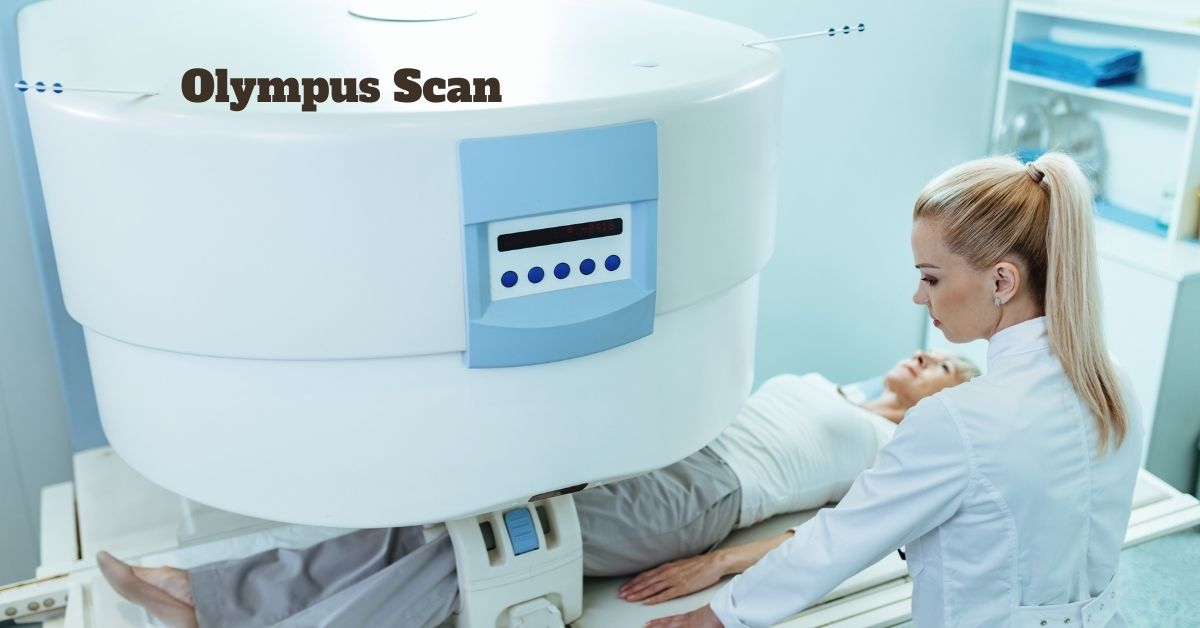
Imaging technology has become one of the most valuable assets of the modern world. From saving lives in hospitals to improving safety in industries, the role of advanced scanning systems cannot be underestimated. Among the global leaders in this field is Olympus, a company well known for producing cutting-edge optical and imaging solutions. The term Olympus Scan refers to a group of high-performance scanning technologies designed to capture highly detailed, accurate, and reliable images. These scans support professionals in fields such as healthcare, scientific research, education, and industrial inspection. Understanding Olympus Scan is essential for anyone who works with data that depends on accuracy, visualization, and microscopic analysis.
The Evolution of Olympus Technology
Olympus started its journey in 1919 as a manufacturer of microscopes and thermometers in Japan. Over the decades, the company grew into a pioneer in optical innovation, continually pushing the boundaries of imaging technology. The company’s work in cameras, microscopes, and medical devices positioned it as one of the most trusted names worldwide. It is not just a product of this growth; it represents a legacy of precision and innovation. What was once limited to simple magnification has now evolved into highly advanced digital systems that combine optics, computing, and artificial intelligence. This journey shows how Olympus consistently adapts to new challenges in medicine, science, and industry.
Also Read: Webtub: Complete Guide, Features, Benefits & How to Get Started
What is Olympus Scan?
Olympus Scan is a broad term covering the scanning solutions developed by Olympus. These technologies are designed to deliver high-resolution imaging, reliable measurement accuracy, and seamless integration with digital platforms. Olympus Scan plays a significant role in medical imaging, pathology, life sciences, industrial non-destructive testing, and even aerospace engineering. In simple words, Olympus Scan allows experts to “see what the naked eye cannot,” whether that means detecting a hidden defect inside an aircraft engine part or identifying cancer cells on a pathology slide.
Core Features of Olympus Scan
High-Resolution Imaging
One of the strongest features of Olympus Scan is its ability to produce images of incredible clarity. High-resolution imaging means professionals can detect even the smallest abnormalities or defects that would otherwise go unnoticed. For example, in pathology, a clear scan can make the difference between early cancer detection and a missed diagnosis.
Precision and Accuracy
When accuracy matters, Olympus Scan delivers results you can trust. Each scan is calibrated to ensure precise measurements. In industries like aerospace or medicine, even a slight error could have life-threatening consequences. That is why Olympus invests heavily in building systems that maintain consistency, repeatability, and exactness in every scan.
User-Friendly Interface
Technology is only useful if people can use it effectively. Olympus Scan systems are designed with simple interfaces, so both beginners and experts can navigate them without difficulty. With touch-screen panels, intuitive menus, and automated workflows, professionals spend less time figuring out controls and more time analyzing results.
How Olympus Scan Works
Step-by-Step Process
Olympus Scan generally begins with sample preparation, which can vary depending on whether it is a medical, industrial, or scientific application. The system then uses specialized scanning devices, often connected to advanced microscopes or sensors, to capture data. Once images are collected, they are processed through high-performance software that enhances clarity, applies filters, and provides analytical tools to highlight areas of interest. Finally, results can be stored digitally, shared across platforms, or integrated with AI-powered diagnostic systems.
Underlying Technology Explained
Behind the scenes, Olympus Scan combines optical engineering, digital sensors, and AI algorithms. Its high-quality lenses capture light and details, while sensors convert these signals into digital images. Artificial intelligence then assists in identifying patterns, anomalies, or defects with incredible speed. This integration makes the system both powerful and efficient, reducing reliance on human interpretation alone.
Different Types of Olympus Scan Solutions
Medical Imaging Scans
Olympus Scan is a trusted name in medical diagnostics. From endoscopies that allow doctors to see inside the human body without invasive surgery, to pathology slides scanned at microscopic levels, Olympus ensures that healthcare providers get the most accurate data for treatment decisions.
Industrial Scanning Systems
Industries such as oil and gas, aerospace, and automotive rely on Olympus Scan for non-destructive testing (NDT). Instead of dismantling or damaging parts, engineers use scans to identify internal cracks, weaknesses, or corrosion in critical equipment.
Digital Pathology Applications
Digital pathology is one of the fastest-growing fields, and Olympus Scan plays a leading role. By digitizing glass slides into high-resolution images, pathologists can analyze samples on-screen, share data with global experts, and even use AI-driven tools to assist with diagnoses.
Olympus Scan in the Medical Field
Endoscopic Imaging
Olympus is world-renowned for its endoscopic technology. Olympus Scan allows doctors to insert small flexible cameras inside the body and view organs with stunning detail. These minimally invasive procedures reduce patient recovery times and improve diagnostic accuracy.
Microscopy in Diagnostics
Pathologists often rely on Olympus microscopes and scanning technology to study tissue samples. With Olympus Scan, medical experts can zoom in on cellular structures, identify abnormalities, and create digital archives for research or future comparison.
Cancer and Disease Detection
One of the most significant benefits of Olympus Scan in medicine is its contribution to early cancer detection. With advanced imaging, doctors can detect suspicious patterns in tissues at much earlier stages, increasing survival rates for patients worldwide.
Olympus Scan in Research and Education
University and Academic Use
Universities and research centers rely on Olympus Scan to provide students with real-world exposure to imaging technology. Whether studying biology, engineering, or material sciences, high-quality scans give learners access to data that textbooks simply cannot provide.
Laboratory Research Applications
In labs, Olympus Scan is essential for projects such as drug development, genetics, and environmental studies. Researchers need to observe details at cellular or molecular levels, and Olympus Scan provides the tools to capture accurate, reproducible images every time.
Industrial Applications of Olympus Scan
Non-Destructive Testing
Olympus Scan is widely used for NDT because it allows companies to check the health of equipment without taking it apart or causing damage. For example, pipelines transporting oil and gas are scanned regularly to detect potential leaks before they become disasters.
Material Analysis
Manufacturers depend on Olympus Scan to test the strength and durability of materials like metals, plastics, and composites. These scans help confirm that products meet international safety and quality standards.
Aerospace and Engineering Uses
In aerospace, precision is everything. Olympus Scan assists engineers in inspecting turbine blades, detecting cracks in aircraft structures, and ensuring compliance with strict safety regulations. This makes air travel safer and more reliable.
Advantages
It offers unmatched benefits. It saves time by providing fast results, reduces human error with AI-assisted interpretation, and ensures long-term digital storage of data. For doctors, this means better diagnoses; for engineers, it means safer products. The ability to share data globally also makes it a vital tool for collaboration and innovation.
Limitations and Challenges
Like any advanced technology, It has challenges. The systems are expensive and may not be accessible for smaller clinics or businesses. Additionally, operating such technology requires skilled professionals who must undergo training. Finally, large-scale scans generate enormous amounts of data, which demand significant storage and computing power.
Olympus Scan vs. Competitors
When compared with competitors, It stands out for its balance between user-friendliness, precision, and reliability. While other companies may offer cheaper alternatives, Olympus consistently provides systems with longer durability, sharper imaging, and stronger after-sales support. These factors make Olympus a preferred choice for organizations that value accuracy over short-term savings.
How Olympus Scan Enhances Accuracy in Diagnostics
Accuracy in diagnostics saves lives. It reduces the risk of misinterpretation by producing crystal-clear images and using automated pattern recognition. This means doctors can make faster, more confident decisions. In industries, the same principle ensures safer operations and prevents catastrophic failures.
Future of Olympus Scan Technology
The future of Olympus Scan looks even brighter with advancements in artificial intelligence, cloud technology, and portability. Imagine doctors being able to share real-time scans across the globe or engineers conducting detailed inspections in remote areas using handheld devices. These innovations will make it more accessible, affordable, and powerful in the coming years.
Tips for Getting the Best Results
To get the most out of Olympus Scan, users should keep their systems well-maintained, update software regularly, and ensure proper calibration before each use. For medical applications, preparing clean and well-preserved samples ensures the highest imaging quality. Training and ongoing education for staff also play a major role in maximizing results.
Conclusion
Olympus Scan is not just another imaging solution; it is a transformative technology that improves lives, industries, and scientific discoveries. From helping doctors diagnose diseases earlier to keeping aircraft safe in the sky, its impact is both wide and profound. As Olympus continues to innovate, we can expect scanning technology to become even more accurate, faster, and accessible, shaping the future of healthcare and industry alike.
1. What makes Olympus Scan different from traditional scanners?
It combines high-resolution imaging with AI-based features and cross-platform compatibility, making it more versatile and efficient.
2. Can Olympus Scan handle bulk scanning tasks?
Yes, its automated feed and batch processing capabilities make it suitable for high-volume environments.
3. Is Olympus Scan cloud-compatible?
Yes, it integrates with various cloud services, allowing easy remote access and secure backups.
4. How often should maintenance be done?
Basic cleaning monthly and full calibration every three to six months ensures peak performance.
5. Is Olympus Scan suitable for personal use?
Yes, while it is often used professionally, it also serves individuals who prioritize quality and long-term document security.