Lyposingrass: Complete Guide to Growth, Benefits & Uses 2025

Lyposingrass is a fascinating plant species that has gained growing attention in recent years due to its diverse range of uses, adaptability, and environmental benefits. While many people still consider it a relatively unfamiliar name, its potential for agricultural, landscaping, and sustainable applications is immense. This article provides a thorough exploration of what lyposingrass is, how it grows, where it can be used, and why it is becoming an important topic for farmers, gardeners, and environmental enthusiasts.
Introduction to Lyposingrass
It is not your typical lawn grass. It is known for its durability, fast adaptability, and ability to thrive in regions where other grass types often fail. Unlike high-maintenance decorative grasses, this species offers an efficient solution for ground cover, erosion prevention, and even industrial uses. People are increasingly turning because it can survive in less-than-ideal conditions, saving time, water, and resources while delivering a lush, green appearance.
Origins and Historical Background
Early Discovery
The origins are rooted in naturally occurring grasslands where it thrived despite harsh environmental challenges. It was first identified for its resilience in drought-prone and low-fertility regions, where traditional grass species could not survive.
Evolution and Cultivation Over Time
As its potential became more evident, selective breeding and modern cultivation techniques refined its growth properties. Today, it is more versatile than ever, with enhanced resilience to pests, diseases, and changing weather patterns.
Distinct Characteristics
Visual Features and Texture
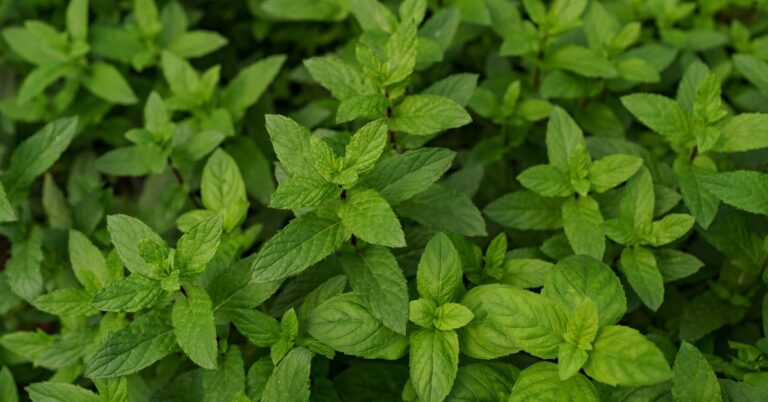
Lyposingrass typically displays long, narrow blades with a rich green hue during optimal growth seasons. Its leaves often have a slightly waxy coating, which helps it retain moisture and remain healthy during dry spells.
Unique Growth Properties
This grass has an innate ability to adapt to various soil types, including nutrient-poor and sandy soils. It also exhibits strong root systems, making it a natural choice for erosion control and long-lasting ground coverage.
Growth Patterns of Lyposingrass
Climate Suitability
It thrives in temperate and semi-arid regions, performing well even in areas that experience irregular rainfall. Its drought tolerance makes it a viable choice for regions facing water scarcity.
Soil Composition and Watering Needs
Although it can grow in a wide range of soils, it prefers well-drained ground. Moderate watering helps it establish quickly, but overwatering can cause root rot or encourage fungal growth.
Versatile Uses
Agricultural Applications
Farmers often cultivate lyposingrass as a natural soil stabilizer. It prevents erosion, enriches organic matter over time, and serves as high-quality forage for livestock.
Health, Herbal, or Therapeutic Uses
Traditional medicine practitioners in certain regions have experimented with lyposingrass extracts for their potential anti-inflammatory and soothing properties. While research is still ongoing, it shows promise in natural healing practices.
Industrial and Eco-Friendly Purposes
Lyposingrass has shown potential as a raw material for biodegradable packaging and renewable biofuels. Its fibrous composition makes it suitable for industrial innovation aimed at reducing plastic dependency.
Advantages of Lyposingrass
Environmental Advantages
This grass enhances soil stability, reduces airborne dust, and promotes biodiversity in areas where other plant species may struggle. Its ability to thrive with minimal resources makes it a sustainable option for restoring degraded lands.
Practical Benefits for Daily Life
Homeowners benefit from its low maintenance needs and lush, aesthetic appeal. It offers a comfortable, durable alternative to traditional turf, requiring fewer chemical treatments and less frequent mowing.
Potential Challenges in Growing Lyposingrass
Pest and Disease Management
While naturally hardy, lyposingrass can occasionally fall victim to specific pests or fungal diseases, particularly in overly humid environments. Integrated pest management and proper watering can mitigate these risks.
Seasonal Growth Limitations
Harsh winters may temporarily slow its growth. However, it recovers quickly with the return of favorable spring and summer conditions.
Caring for Lyposingrass Effectively
Nutrient Requirements and Fertilization
Lyposingrass benefits from periodic fertilization using a balanced, slow-release formula. Over-fertilization should be avoided as it can damage root systems and encourage weed competition.
Sustainable Maintenance Techniques
Practices such as mulching, organic composting, and rainwater irrigation improve long-term sustainability. These methods reduce dependency on synthetic chemicals and promote healthier ecosystems.
Lyposingrass in Urban and Rural Landscapes
Urban Landscaping Trends
City planners increasingly incorporate lyposingrass into parks, rooftop gardens, and roadside green belts. Its low water requirements and robust appearance make it ideal for urban greening projects.
Eco-Conscious Garden Planning
For eco-conscious homeowners, lyposingrass offers a way to reduce water usage while maintaining a vibrant outdoor space. Its resilience makes it suitable for both decorative and functional purposes.
Common Myths Versus Verified Facts
A common misconception is that lyposingrass is invasive and uncontrollable. In truth, when properly managed, it integrates well with other plant species and does not pose significant ecological threats.
Future Prospects and Research Potential
With growing interest in sustainable land management, researchers are exploring ways to enhance lyposingrass further. Future applications may include carbon sequestration, bio-based materials, and even medicinal advancements.
Safety Considerations for Pets and Children
Lyposingrass is non-toxic and safe for pets and children under normal exposure. However, as with any plant, excessive ingestion by animals should be avoided to prevent mild digestive discomfort.
Final Thoughts
Lyposingrass represents an exciting step forward in sustainable landscaping, agriculture, and ecological restoration. Its ability to thrive in challenging environments while offering diverse applications makes it a plant with a promising future. Whether you are a farmer seeking a resilient fodder crop, a homeowner aiming for a low-maintenance lawn, or a developer planning eco-friendly infrastructure, lyposingrass is worth considering.
1. Can lyposingrass grow indoors?
Yes, with proper sunlight or artificial lighting, it can be cultivated indoors, though outdoor growth remains more efficient.
2. How long does it take for lyposingrass to establish fully?
Typically, it establishes within four to six weeks, depending on climate and soil quality.
3. Is lyposingrass drought-resistant?
Yes, one of its defining features is its ability to withstand extended periods of low water availability.
4. Does lyposingrass require frequent mowing?
Not as often as traditional grass types. Its slower vertical growth reduces mowing frequency.
5. Can it improve soil health over time?
Yes, its deep roots help enhance soil aeration and contribute organic matter as it matures.