
Masgonzola Cheese: History, Taste, Recipes & Complete Guide
Cheese lovers around the world are constantly exploring new varieties that bring a unique twist to traditional flavors, and Masgonzola is one such fascinating discovery. This cheese stands out for its creamy consistency, balanced tang, and rich heritage rooted in Italian cheesemaking traditions. Over the years, it has gained recognition not only among professional chefs but also among home cooks who appreciate its ability to transform simple dishes into gourmet creations. This article explores Masgonzola in depth—its history, how it’s made, its nutritional profile, and how you can incorporate it into your meals while keeping its natural flavors intact.
What Is Masgonzola?
Origins and History
Masgonzola is a variation within the family of blue cheeses, historically linked to the Italian region known for creating Gorgonzola. While Gorgonzola is widely recognized, it offers a slightly different profile that reflects regional adaptations and specific cheesemaking techniques passed down through generations. Artisans originally crafted this cheese using local milk and carefully controlled aging methods, creating a product that was softer and creamier than its counterparts. Over time, it became a signature delicacy in select parts of Italy and gradually made its way into international markets.
The Unique Characteristics
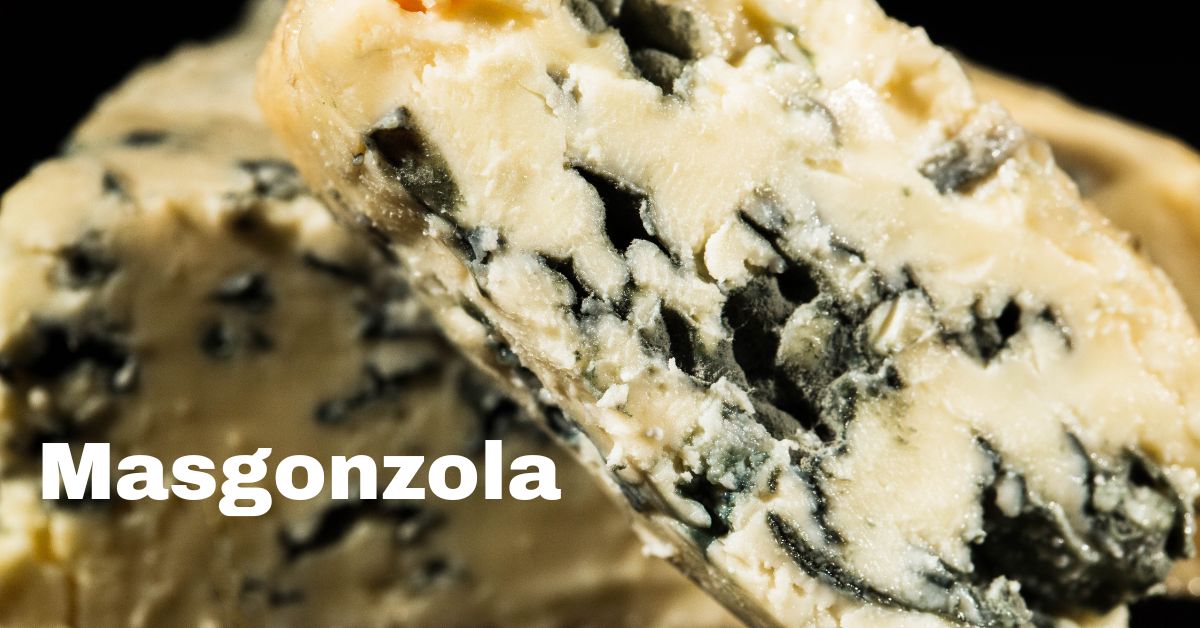
This cheese is celebrated for its semi-soft texture and distinctive marbling of blue-green veins that run through its creamy body. Unlike more pungent blue cheeses, it is known for being approachable even to those who are new to this category. It balances mild tanginess with a buttery richness, making it versatile for both savory and slightly sweet pairings. Its aroma is pronounced but not overwhelming, allowing it to complement rather than dominate the dishes it accompanies.
Also Read: Red Lobster & TGI Fridays Closing: Full Story, Reasons & Future Outlook
How Masgonzola Is Made
Ingredients Used in Masgonzola
The creation begins with high-quality cow’s milk, often sourced from grass-fed herds in regions with rich dairy traditions. Cheesemakers use rennet to initiate curdling, add selected cultures to develop its unique flavor, and introduce Penicillium mold to achieve its characteristic veining. Depending on the variation, some producers may blend cow’s milk with goat’s milk for an added depth of flavor.
The Production Process Explained
After pasteurization, the milk is combined with rennet and cultures to form curds. These curds are cut into small pieces to release whey, then gently stirred and drained. Once the curds reach the desired consistency, they are placed into molds, where the signature mold cultures are added. Cheesemakers pierce the cheese with thin needles during aging, allowing air to circulate and promote the growth of the mold.
Aging and Maturation
Masgonzola typically matures for a minimum of 60 days, although premium varieties may age for several months to develop a deeper, more complex flavor. The cheese is stored in cool, humid cellars where temperature and airflow are carefully monitored. Over time, the blue veining spreads evenly, and the cheese develops its creamy consistency and distinct taste.
Flavor Profile and Texture
Taste Description
Masgonzola is prized for its harmonious flavor—a combination of creaminess with a subtle sharpness that lingers on the palate. It is less aggressive than some traditional blue cheeses, offering a mild saltiness and a slightly nutty undertone. When eaten on its own, the texture is soft yet structured, making it ideal for spreading or slicing.
Comparing Masgonzola with Gorgonzola and Other Cheeses
While Gorgonzola tends to be sharper and occasionally crumbly, it is known for its smoother body and less pungent aroma. Compared to Roquefort or Stilton, it offers a more delicate experience, making it a popular choice for those who want the essence of blue cheese without the overwhelming intensity.
Nutritional Value of Masgonzola
Calories and Macronutrients
A typical serving (about one ounce) provides roughly 100 calories, consisting primarily of fats and proteins. It contains approximately 6–8 grams of fat and around 6 grams of protein, with minimal carbohydrates. This makes it a concentrated source of energy suitable for those who include cheese as part of a balanced diet.
Vitamins and Minerals
It is rich in calcium, which supports strong bones and teeth, and it also provides phosphorus and vitamin B12. These nutrients contribute to healthy nerve function and overall energy metabolism.
Is Masgonzola Healthy?
When consumed in moderation, it can be part of a healthy diet. However, it is relatively high in sodium and saturated fats, so it is best enjoyed as a flavorful addition rather than a primary source of nutrition. Those monitoring their salt intake should keep portions small.
Culinary Uses
Cooking with Masgonzola
It shines in a variety of dishes thanks to its melting properties. It can elevate pasta sauces, enrich risottos, or serve as a decadent topping for baked potatoes. When used in a creamy sauce, it adds a subtle tang that complements roasted vegetables and grilled meats.
Pairing Masgonzola with Wine and Other Foods
For wine lovers, it pairs beautifully with sweet and aromatic wines such as Moscato, Riesling, or even dessert wines like Sauternes. In terms of food, it harmonizes well with fruits like pears and figs, as well as nuts and a drizzle of honey. These combinations balance its creaminess with contrasting textures and flavors.
Storage and Preservation Tips
How to Store Masgonzola Properly
To maintain its freshness, it should be wrapped in wax paper or parchment paper before being placed in an airtight container. Storing it in the vegetable crisper section of the refrigerator helps maintain a stable environment without excessive moisture.
Signs of Spoilage
If the cheese develops an ammonia-like odor, slimy texture, or an unusually bitter taste, it is no longer safe to consume. Visible mold growth that differs from its natural blue veins is also a sign of spoilage.
Buying Masgonzola – Where and How
Best Places to Purchase Masgonzola
Specialty cheese shops and gourmet markets are the most reliable places to find authentic Masgonzola. Many reputable online cheese retailers also offer fresh, carefully packaged options delivered directly to your door.
Selecting High-Quality Masgonzola
When choosing Masgonzola, look for a balanced distribution of blue veins, a creamy yet firm texture, and a pleasant, slightly tangy aroma. Avoid pieces that appear dry or have uneven coloring.
Masgonzola in Modern Cuisine
Gourmet Dishes Featuring
From fine-dining establishments to creative home kitchens, it found its place in contemporary recipes. It is often used in truffle-infused pasta, artisanal flatbreads, and upscale burgers, where its creamy tang enhances the overall flavor profile.
Popular Recipes
Some beloved recipes include Masgonzola-stuffed chicken breasts, creamy gnocchi with Masgonzola sauce, and pear and Masgonzola salad drizzled with balsamic glaze. Each dish allows the cheese to shine without overpowering other ingredients.
Health Benefits and Concerns
Potential Benefits of Eating Masgonzola
It provides high-quality protein for muscle health and contains beneficial bacteria that support gut health. Its calcium content contributes to bone strength, making it a valuable addition to a varied diet.
Possible Allergic Reactions and Risks
Individuals with dairy allergies or severe lactose intolerance should avoid it. Additionally, because of its sodium content, it may not be suitable for people with high blood pressure or those on restricted-salt diets.
Masgonzola vs. Other Blue Cheeses
When compared with Roquefort, Stilton, or traditional Gorgonzola, it offers a smoother texture and a more mellow flavor. This makes it an excellent “starter” blue cheese for newcomers while still appealing to experienced cheese lovers.
Interesting Facts About Masgonzola
One interesting aspect of Masgonzola is that it has often been referred to as a “gateway cheese” in the world of blues because of its approachable profile. It also plays a role in regional Italian festivals, where it is served with freshly baked bread and local wines.
Cultural and Regional Significance
Masgonzola remains a celebrated part of Italian culinary heritage, often featured in regional feasts and holiday tables. It symbolizes artisanal craftsmanship and the rich dairy culture of its origin, continuing to influence modern cheesemaking practices.
How to Serve Masgonzola Like a Pro
To enjoy Masgonzola at its best, allow it to sit at room temperature for about 30 minutes before serving. This releases its full aroma and creamy texture. It pairs well with rustic bread, fresh fruits, or a drizzle of floral honey.
Conclusion
Masgonzola is more than just another blue cheese—it is a testament to the art of cheesemaking. With its balanced flavor, versatile culinary applications, and nutritional benefits, it has carved out a special place in both traditional and modern cuisines. Whether you are tasting it for the first time or adding it to your favorite recipes, Masgonzola offers an unforgettable experience that blends heritage with culinary creativity.
1. Is Masgonzola different from Gorgonzola?
Yes. While both are blue cheeses, Masgonzola is creamier and milder compared to the sharper taste of Gorgonzola.
2. Can lactose-intolerant individuals consume Masgonzola?
Some people with mild lactose intolerance can enjoy it in small amounts, but those with severe intolerance should avoid it.
3. How should Masgonzola be stored after opening?
Wrap it in wax paper, place it in an airtight container, and store it in the refrigerator for up to three weeks.
4. Which wines complement Masgonzola best?
Sweet wines like Moscato, late-harvest Rieslings, or even Port wines pair beautifully.
5. Can Masgonzola be frozen for longer storage?
Yes, but freezing may slightly alter its texture. It’s best used in cooked dishes after freezing.