
Red Lobster & TGI Fridays Closing: Full Story, Reasons & Future Outlook
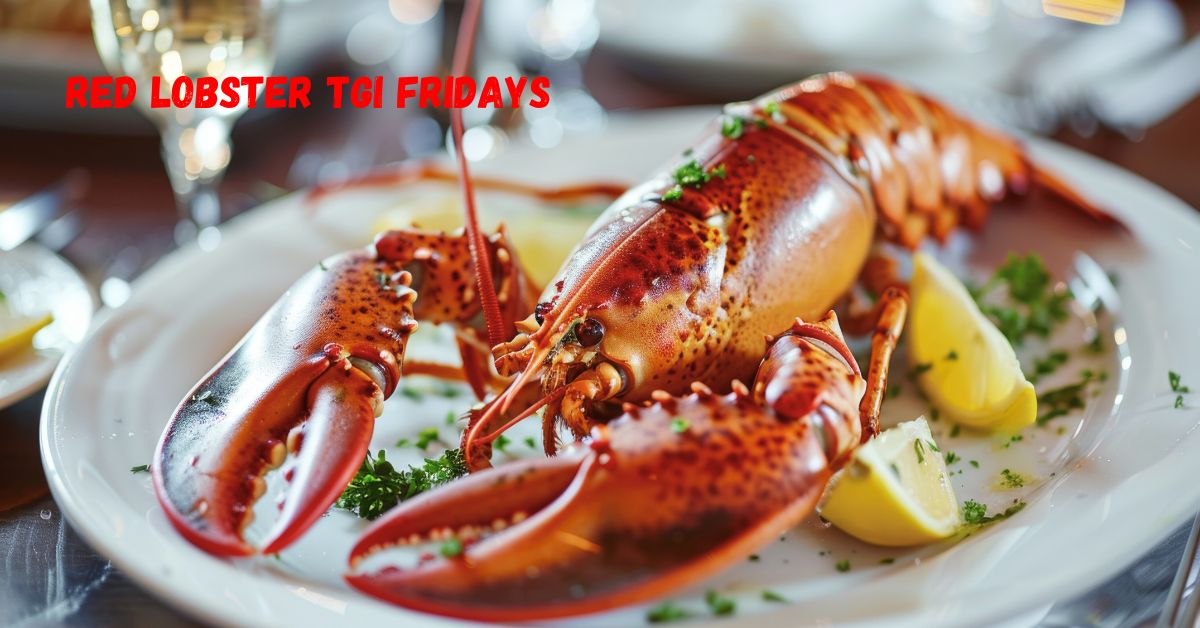
The news about Red Lobster Tgi Fridays closing numerous locations across the United States has raised significant concern and curiosity among loyal customers and the wider restaurant industry. For decades, these two chains have been synonymous with casual dining—offering everything from Red Lobster’s famous Cheddar Bay Biscuits to TGI Fridays’ iconic appetizers and cocktails. Now, with reports of closures surfacing nationwide, people are wondering: is this the beginning of the end for these beloved chains, or is this a strategic maneuver to survive in a challenging market?
The Shockwave in the Casual Dining Industry
The casual dining sector in America has always been dynamic, but in recent years, it has faced unprecedented disruption. Both Red Lobster and TGI Fridays represent more than just places to eat; they symbolize decades of family gatherings, date nights, corporate lunches, and weekend hangouts. However, evolving consumer behaviors, intense market competition, and unpredictable economic conditions have sent shockwaves through the industry. These closures are not random—they are symptoms of deeper challenges affecting many sit-down restaurants nationwide.
History of Red Lobster Tgi Fridays closing
The Journey of Red Lobster – From Humble Beginnings to Global Recognition
Red Lobster began its journey in 1968 in Lakeland, Florida, with a mission to make quality seafood accessible to everyone. Over the decades, it became a household name with hundreds of locations worldwide, offering affordable seafood dishes that attracted both families and seafood enthusiasts. Its signature offerings, such as the Ultimate Feast and unlimited shrimp deals, became marketing triumphs that boosted its brand identity. However, in recent years, the topic of red lobster tgi fridays closing has raised concerns among loyal customers, highlighting the challenges these iconic chains are facing in today’s competitive dining market.
The Legacy of TGI Fridays in Casual Dining Evolution
Founded in 1965 in New York City, TGI Fridays revolutionized the idea of casual dining. With its vibrant ambiance, colorful cocktails, and menu packed with bold flavors, it became a hotspot for after-work gatherings and celebratory meals. At its peak, TGI Fridays was not just a restaurant but a cultural trendsetter, known for bringing people together over shared appetizers and signature drinks.
Are Red Lobster Tgi Fridays closing Permanently or Restructuring?
Understanding the Difference Between Permanent Shutdowns and Strategic Closures
While alarming headlines have created panic, it is important to understand that neither brand is shutting down entirely. These closures are largely strategic decisions aimed at cutting losses by shutting down underperforming locations. Both companies continue to operate hundreds of restaurants across the U.S. and internationally, focusing their resources on profitable regions.
Which Locations Are Affected and Why?
Closures have been unevenly distributed across the country, with some cities losing their only location while others retain several. Factors influencing these decisions include high rental costs, changing demographics, lower customer traffic, and poor sales performance at specific outlets.
Core Reasons Behind the Wave of Closures
How Consumer Behavior Has Shifted Over the Years
Today’s consumers prioritize convenience, speed, and customizable dining experiences. With the rise of fast-casual brands like Panera, Chipotle, and Five Guys, traditional full-service restaurants face significant competition. Millennials and Gen Z, in particular, tend to favor quick-service dining and home delivery over traditional sit-down meals.
The Impact of Rising Operational Costs and Labor Market Challenges
The cost of running a restaurant has surged in the past few years. From increased wages due to labor shortages to soaring ingredient prices caused by supply chain disruptions, maintaining profitability has become an uphill battle for many casual dining chains.
How Fast-Casual Restaurants and Delivery Apps Are Disrupting the Market
Food delivery apps like Uber Eats, DoorDash, and Grubhub have reshaped consumer expectations. Many diners now expect their favorite meals to be delivered quickly and at a competitive price, further challenging traditional restaurant models that rely on dine-in traffic.
Long-Lasting Effects of the COVID-19 Pandemic on Casual Dining
The pandemic accelerated an already shifting dining landscape. Red Lobster and TGI Fridays were hit hard by lockdowns, capacity restrictions, and declining in-person dining. Even after restrictions eased, many customers retained their preference for takeout and delivery, leaving dine-in revenue lagging.
Financial Instability and the Truth About Bankruptcy Rumors
Red Lobster’s Current Financial Struggles and Future Plans
Red Lobster has been the subject of several reports indicating financial distress, with discussions about restructuring debt and potential bankruptcy considerations. However, the brand continues to operate and has announced plans to refocus on core markets, optimize its menu, and strengthen its digital presence.
TGI Fridays’ Efforts to Stay Competitive
TGI Fridays has also faced declining revenues but has been more aggressive in its rebranding initiatives. From updating its décor to modernizing its menu with healthier and more diverse offerings, the chain is attempting to regain relevance among younger diners while maintaining its classic identity.
How Consumers Are Reacting to These Closures
Many customers have expressed sadness and nostalgia upon hearing about the closures. Social media platforms are flooded with stories of birthdays, anniversaries, and casual hangouts spent at these restaurants. However, some former patrons cite declining food quality and inconsistent service as reasons for the downturn, arguing that the closures were a long time coming.
What This Signals for the Future of the Restaurant Industry
The fate of Red Lobster and TGI Fridays reflects a broader challenge within the casual dining sector. Consumers are increasingly selective about where they spend their money, and only brands that innovate and remain relevant will thrive. This is pushing restaurants toward hybrid business models that blend dine-in, takeout, and digital-first approaches.
Is There Hope for a Comeback?
Menu Innovation and Revamped Dining Experience
Both brands are exploring ways to modernize their menus with fresher ingredients, seasonal promotions, and options tailored to health-conscious diners.
Digital Transformation and Off-Premise Dining Growth
Online ordering, curbside pickup, and third-party delivery partnerships are becoming central to their strategies. This shift helps them stay competitive with fast-casual chains and meet consumer demand for convenience.
Lessons Learned for Other Restaurant Brands
The closures of Red Lobster and TGI Fridays serve as a wake-up call for the entire industry. Success in the modern market requires flexibility, consumer engagement, and a willingness to invest in digital transformation while maintaining brand authenticity.
The Broader Impact on Casual Dining in the U.S.
Experts believe that casual dining will continue to evolve rather than vanish. Chains that adapt to changing preferences and adopt leaner, more technology-driven operations will likely survive, while others that fail to innovate may follow a similar path of downsizing or closure.
Economic Impact on Communities Losing Locations
Each closed restaurant means job losses for dozens of employees and a decline in foot traffic for surrounding businesses. In some towns, these closures create noticeable economic gaps, affecting not just restaurant workers but also suppliers and nearby retailers.
How Loyal Customers Can Support Their Favorite Chains
Customers who wish to see their favorite chains survive can help by visiting open locations, leaving positive reviews online, and sharing their experiences on social media. Word-of-mouth and loyal patronage remain powerful tools in keeping restaurants alive.
Final Reflections on Red Lobster Tgi Fridays closing
The recent closures of these iconic chains are not just a corporate story—they reflect a changing America. Dining out is no longer just about the food; it’s about convenience, value, and experience. If Red Lobster and TGI Fridays can successfully reinvent themselves, they may yet regain their position in the market.
Conclusion
Red Lobster Tgi Fridays closing are navigating one of the most challenging periods in their history. While closures are concerning, they are not the end of the story. With proper strategic planning, modernization efforts, and customer support, these brands still have a chance to thrive in a competitive dining landscape.
1. Are all Red Lobster Tgi Fridays closing?
No, only select locations are closing. Both brands continue to operate nationwide.
2. Why are they closing some restaurants?
Due to changing consumer behavior, rising operational costs, and underperforming locations.
3. Is this related to bankruptcy?
Bankruptcy has been rumored, especially for Red Lobster, but both brands are restructuring rather than fully shutting down.
4. Can I still order from these restaurants online?
Yes, online ordering and delivery services remain active in most locations.
5. Will they open new locations in the future?
If restructuring efforts succeed, expansion may return in select markets with updated strategies.