
What is a Boutonniere? History, Types, and How to Wear It Perfectly
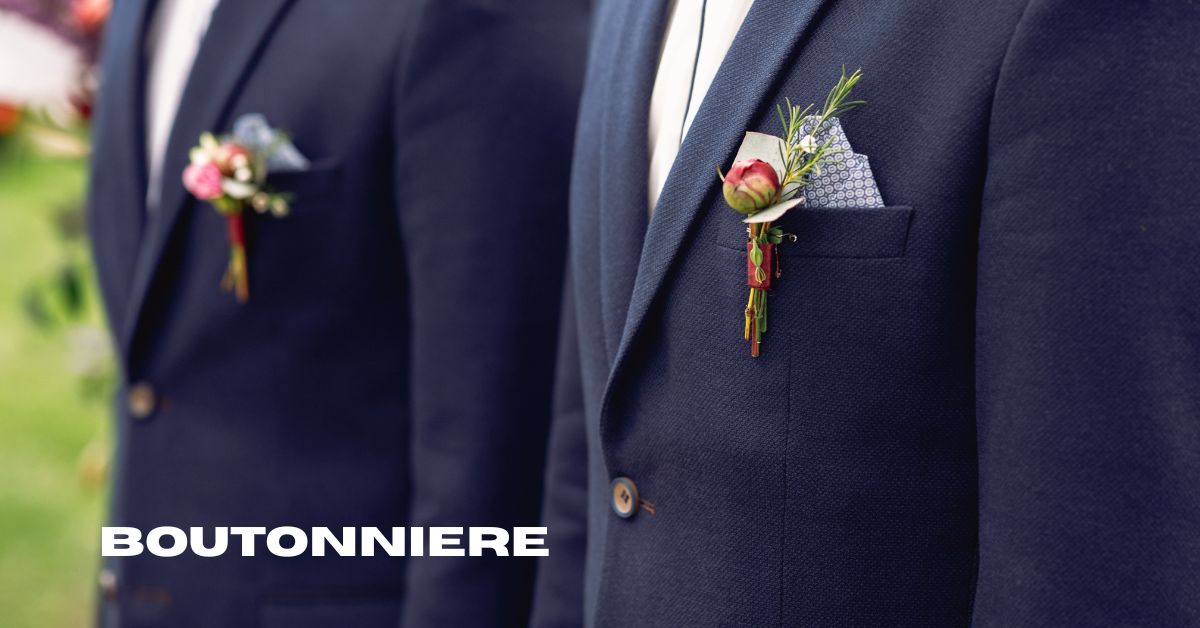
A boutonniere is a small floral decoration traditionally worn on the lapel of a suit, blazer, or tuxedo. It serves as a stylish and symbolic accessory for formal occasions, ranging from weddings and proms to funerals and special ceremonies. The term “boutonniere” originates from the French word meaning “buttonhole,” as men used to place flowers in their lapel buttonholes centuries ago. Today, the boutonniere is more than just a piece of decoration—it reflects elegance, attention to detail, and even emotion. Whether it’s a single rose symbolizing love or a sprig of greenery for a minimalistic look, this accessory adds character and refinement to any outfit.
The Origin and History
Boutonniere in Historical Fashion
The boutonniere has a deep historical significance that dates back to the 16th century. During this period, men wore flowers pinned to their coats as a mark of respect, bravery, or chivalry. Knights heading into battle often wore their beloved’s chosen flower as a good luck charm and a sign of devotion. The trend evolved further in the 18th and 19th centuries, becoming a staple of men’s formal fashion across Europe.
Cultural Significance Across Eras
During the Victorian era, it became an essential accessory for men attending social gatherings, balls, and formal dinners. Each flower chosen for a boutonniere carried a meaning—red roses symbolized passion, while white carnations signified purity and respect. Over time, this accessory became closely associated with ceremonial occasions, particularly weddings and funerals, where its symbolic power still resonates today.
Understanding the Modern Boutonniere
The Boutonniere in Weddings
Today, the boutonniere holds a special place in weddings. It is commonly worn by the groom, groomsmen, fathers, and grandfathers, serving as a subtle but meaningful connection to the bridal bouquet. Wedding boutonnieres are often made from roses, peonies, baby’s breath, or even succulents, carefully selected to complement the wedding theme and colors.
Boutonnieres in Proms and Formal Events
In proms, homecomings, and galas, it remains an iconic element of men’s formalwear. It often matches the date’s corsage to create a coordinated and polished appearance. Even in corporate events or award ceremonies, a simple boutonniere can add a touch of sophistication.
Different Types of Boutonnieres
Floral
Floral boutonnieres are the most traditional and widely used. Fresh flowers like roses, orchids, tulips, or lilies are popular choices because of their vibrant appearance and symbolism.
Non-Floral
Some men opt for non-floral designs made from feathers, metallic pins, or even small accessories to reflect their personality or match a unique event theme.
Artificial and Silk
Artificial boutonnieres, often crafted from silk or premium fabric, have grown in demand for their durability and reusability. They are ideal for destination weddings or events where fresh flowers may not remain intact for long.
Materials Used in Crafting
Fresh Flowers
Fresh flowers are the most authentic choice, offering fragrance, vibrancy, and a natural feel. However, they require careful storage and should be prepared shortly before the event to maintain freshness.
Dried Flowers and Greenery
Dried flowers add a vintage and rustic charm. They last longer than fresh flowers and often suit bohemian or countryside weddings.
Unique Materials for Modern Styles
Contemporary it may include unique materials like leather, beads, metallic leaves, or even eco-friendly elements such as recycled paper flowers.
How to Choose the Right Boutonniere
Matching with Attire
A boutonniere should enhance your outfit, not overpower it. If you’re wearing a dark suit, a light-colored flower creates a striking contrast. Conversely, soft pastel tones look elegant against lighter suits.
Considering Event Theme and Colors
The colors, size, and style should harmonize with the event theme. A beach wedding may call for tropical flowers, while a winter ceremony benefits from deeper hues like burgundy or navy.
How to Wear a Boutonniere Properly
Placement on the Lapel
Traditionally, it is worn on the left lapel, just above the pocket and close to the heart. This placement carries symbolic meaning and ensures visibility.
Do’s and Don’ts of Wearing
Do ensure your boutonniere is securely pinned to prevent drooping or twisting. Don’t wear oversized flowers that distract from your overall look.
Can You Make Your Own?
Simple Steps to Create a Classic Look
Creating it is not only cost-effective but also personal. Select your flowers, trim the stems, arrange them with filler greenery, wrap them with floral tape, and secure them with a pin.
Tools and Materials Needed
You will need fresh or artificial flowers, scissors, floral tape, wire, and a safety pin. Optional decorations like ribbons or beads can add a stylish flair.
Etiquette – Who Wears It?
Weddings
The groom, best man, groomsmen, fathers, grandfathers, and officiants often wear it as part of their formal attire.
Proms
At proms, it is a tradition for male attendees to wear it that coordinate with their partner’s corsage.
Funerals and Other Ceremonies
For funerals, white flowers are the traditional choice, symbolizing remembrance and peace.
How to Preserve a Boutonniere
Short-Term Care
Keep your boutonniere cool and hydrated by storing it in a refrigerator before the event. Light misting can help retain freshness.
Long-Term Preservation Methods
To keep it as a memory, you can press it between books, air-dry it, or encase it in a shadow box.
Trends in 2025
In 2025 are leaning towards eco-conscious designs. Couples are increasingly choosing biodegradable materials, locally sourced flowers, and minimalist styles. Monochromatic designs paired with metallic accents are also gaining attention.
Common Mistakes to Avoid
Choosing flowers that wilt easily, selecting an oversized design, or mismatching it with your partner’s attire are common mistakes. Poor attachment is another issue—ensure it is well-secured.
Cost of a Boutonniere
It can range from $10 for a simple single-flower design to $50 or more for customized luxury arrangements featuring rare blooms or designer craftsmanship.
Should You Buy or Make One?
Buying it is convenient and ensures a professional look, while making one allows for creativity, personalization, and cost savings.
Conclusion
It may seem like a small accessory, but it carries centuries of tradition and meaning. Whether you are a groom looking to complement your bride’s bouquet, a young man preparing for prom, or someone honoring a loved one, choosing the right boutonniere adds a meaningful and stylish touch to your attire. Its design, color, and placement can reflect your personality and the importance of the occasion, making it far more than just a decorative flower.
1. Can I wear a boutonniere without a tie?
Yes, you can wear it even if you skip the tie, as it enhances your suit with or without one.
2. How long does a boutonniere last?
Fresh boutonnieres typically last 24–48 hours with proper care, while artificial ones can last indefinitely.
3. Should the boutonniere match the bride’s bouquet?
It should coordinate rather than perfectly match, creating a harmonious visual connection.
4. Can women wear boutonnieres?
Absolutely. Many modern bridesmaids, mothers, and guests opt for smaller & elegant.
5. Are artificial boutonnieres suitable for weddings?
Yes, they are practical, long-lasting, and often look just as stunning as fresh flowers.


